


Total price:
Cereals and pseudocereals are an important part of our everyday diet.
Cereals are a valuable source of fiber, vitamins, and minerals.
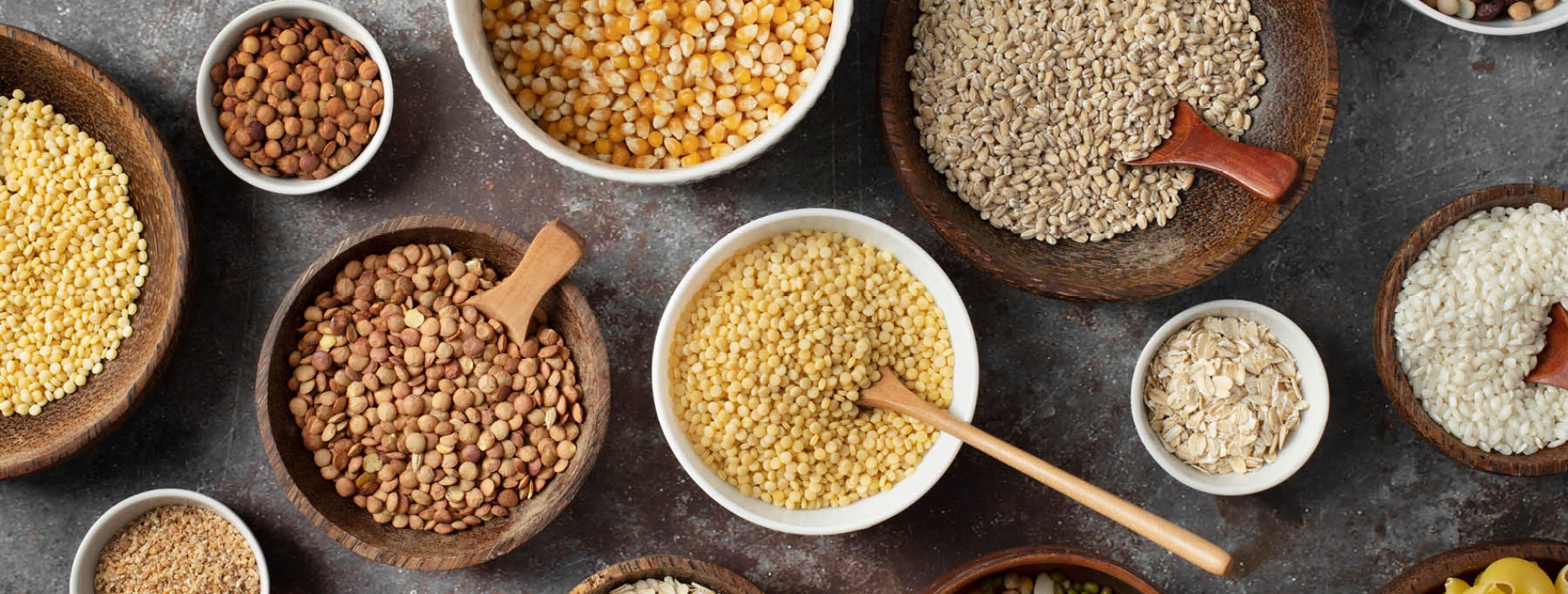
Cereals and pseudocereals are an important part of our everyday diet. They are rich in carbohydrates and dietary fiber, and also contain proteins and many B-group vitamins, which are not often found in plant-based foods. Among minerals, the most important in them are magnesium, copper, and phosphorus.
Janja Strašek, nutrition advisor at Terme Krka
Experts recommend consuming especially whole grains, as they contain more fiber, vitamins, and minerals compared to refined grains. Cereals contain elements that are an excellent complement to, for example, a meat-free diet.
Why the minerals and vitamins in cereals are important for our health
Magnesium regulates blood pressure and ensures the functioning of muscles, including the heart. Magnesium intake during sports activity accelerates muscle regeneration and prevents cramps; otherwise, magnesium also affects brain function and mood, prevents migraines, and according to some studies even reduces the likelihood of depression. In addition, it increases the sensitivity of cells to insulin.
Signs of magnesium deficiency:
- irregular heartbeat, high blood pressure, low levels of ‘good’ HDL cholesterol,
- weak and sore muscles after activity, cramps, tingling and numbness,
- headaches.
Copper is also important for normal brain function and healthy nerve cells. It affects the formation of red and white blood cells, supports the immune system, and also plays an important role in maintaining youthfulness – it stimulates the formation of collagen, which is important for bones, connective tissues and skin, it also stimulates metabolism and slows aging because it acts as an antioxidant.
Signs of copper deficiency:
- fatigue, anemia indicated also by pale skin, frequent weakness, sensitivity to cold,
- reduction of bone density – fragile bones,
- poorer memory, faster graying of hair, worsening vision …
The third important mineral in cereals, phosphorus, participates in the mineralization of bones and teeth, in metabolism and in maintaining energy, and is also important for acid-base balance.
Phosphorus deficiency is rare, but it can manifest as
- osteomalacia, i.e. soft, fragile bones in adults and rickets in children, and
- loss of appetite, weakness, fatigue and anxiety.
B-group vitamins
B-group vitamins are key for the functioning of the nervous and immune systems, in cell renewal, in metabolic processes, in blood formation …
Signs of B-group vitamin deficiency:
- fatigue, frequent depressive mood, insomnia,
- anemia, hormonal imbalance,
- hair loss and problems with hair, nails and skin (dermatitis),
- cardiovascular diseases,
- nervous system disorders.
In addition to the above, cereals also contain iron, potassium, zinc, vitamin K …
Related content
-

Janja Strašek, nutrition consultant
Superfoods for seniors or the best diet for longevity and vitality
-

Summer atmosphere in the Castle Garden
A green sanctuary where plants, people, and flavors live in harmony
-
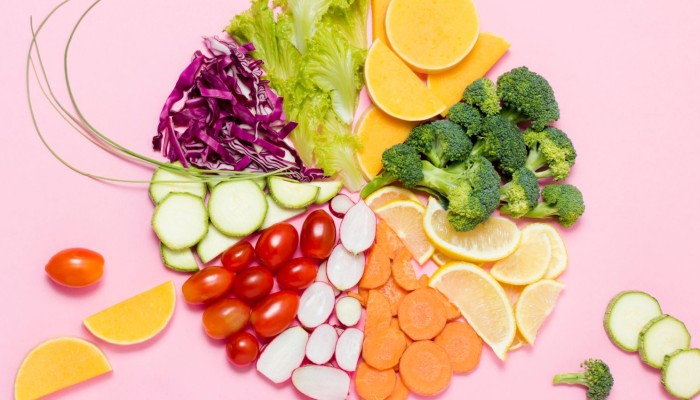
Discover the wide variety of colorful healthy foods; each color benefits a specific body organ.
To Feel Good and Zen, chose foods of various colors