


Total price:
Tips for Health and Longevity
A healthy gut microbiome influences the health of the entire organism

A healthy gut microflora is much more than just support for digestion; it is in fact our “internal ecosystem” that functions as a complex organ. It consists of trillions of microorganisms (bacteria, viruses, fungi) that directly influence almost all processes in the human body.
Janja Strašek, Nutrition Consultant
This microscopic world is one of the foundations of our health and also affects how long and how vital we will live.
How a healthy gut microbiome influences the body and longevity
The microbiome is a building block of the immune system
As much as 70–80% of our immune cells are located in the gut. A healthy microbiome, meaning a balanced gut bacterial environment, enables the immune system to distinguish between harmless substances and dangerous pathogens, thereby preventing chronic inflammation.
The gut, the brain, and our mental well-being are closely connected
The gut is often called the “second brain.” The microbiome also produces the neurotransmitters serotonin and dopamine — the so-called happiness hormones. As much as 95% of serotonin is produced in the gut, not in the brain. A growing body of research confirms that a healthy microbiota strengthens mental health, reduces the risk of anxiety and depression, and helps manage stress.
The microbiome influences metabolism and body weight regulation
The bacteria in our gut determine how much energy and vital nutrients we obtain from food, as they:
regulate blood sugar levels – certain bacteria help regulate insulin and thereby prevent type 2 diabetes. Stable blood sugar levels are crucial for a steady supply of energy to cells; when blood sugar rises rapidly and then drops sharply, we experience this as fatigue, lack of concentration, and strong cravings for (overly) fast-acting carbohydrates;
are also responsible for vitamin synthesis – the microbiome itself produces vitamin K (important for blood clotting and bone strength) and B vitamins, which are increasingly difficult to obtain sufficiently through diet alone. Vitamin B12 is particularly important, especially for people who do not consume foods of animal origin.
A healthy microbiota can support longevity and slow down aging
Scientific research shows that centenarians have a significantly more diverse microbiome than younger, less healthy individuals.
A healthy microbiome ensures efficient metabolism and maintains a strong intestinal barrier. If this barrier weakens, toxins can enter the bloodstream, accelerating aging and causing systemic inflammation.
With an unhealthy microbiome, the body functions with a “drained battery”
However, when we support healthy gut bacteria (by consuming fiber, fermented foods, and less processed sugar), we improve digestion and at the same time:
- promote higher and more stable energy levels,
- increase resistance to various diseases,
- enhance concentration, stress resilience, and sleep quality.

How can we recognize microbiome imbalance in everyday life and which signs should we pay special attention to?
An imbalance in the microbiome, professionally called dysbiosis, rarely appears overnight. It is a gradual accumulation of symptoms that we often mistake for “stress” or “fatigue.” In reality, the body is signaling that harmful bacteria have outnumbered the beneficial ones in the gut. Key warning signs include:
Digestive issues
Digestive problems are the first and most direct alarm. If they occur regularly (several times a week), the gut is likely out of balance. Signs include:
- Bloating and gas – excessive gas after meals often indicates improper fermentation by certain bacteria;
- Irregular bowel movements – alternating constipation and diarrhea or a feeling of incomplete evacuation;
- Heartburn or reflux – which may result from imbalance affecting stomach acidity and emptying speed.
Fluctuating energy and mood (gut–brain connection)
Since the gut produces most of the body’s serotonin and also dopamine, dysbiosis quickly affects mood. Possible signs:
- Chronic fatigue – waking up tired even after sufficient sleep;
- “Brain fog” – poor concentration, forgetfulness, confusion;
- Mood swings – increased anxiety, irritability, or low motivation without an obvious external cause.
Other unexpected physical signs
Gut imbalance may also reflect on the skin and immune system:
- Skin problems – acne, eczema, psoriasis, sudden rashes;
- Strong sugar cravings – certain yeasts (e.g., Candida) and harmful bacteria feed on sugar and can influence hunger signals;
- Frequent infections – catching every cold or virus may indicate weakened gut immune defense.

Important
If you notice sudden, unexplained weight loss, blood in the stool, or severe abdominal pain, always consult a doctor, as these signs may indicate more serious conditions beyond a simple microbiome imbalance.

How to support a healthy microbiome through diet and lifestyle
A healthy gut microbiome is like a lush garden — the more diverse the garden, the more resilient the entire system.
Food is fuel for good bacteria
Fiber is excellent nourishment for our gut. A simple basic rule applies: more plants, more fiber.
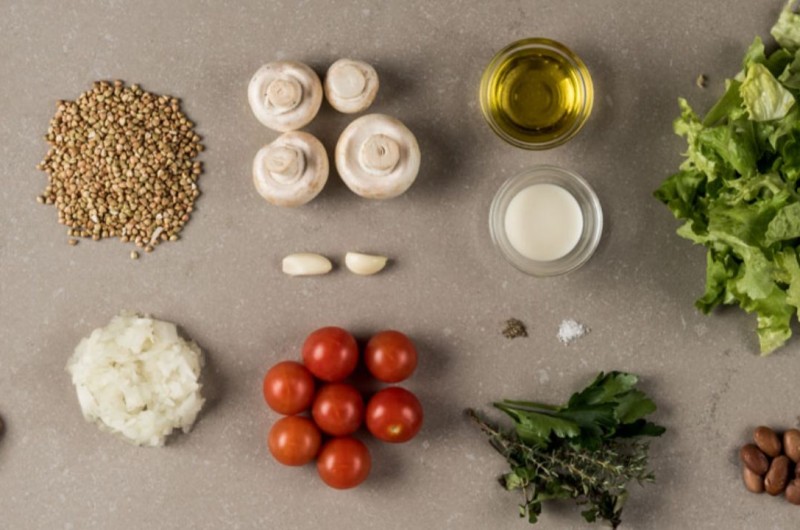
Fiber acts as prebiotics. It can be found in legumes (chickpeas, lentils, beans, broad beans, peas), whole grains (buckwheat, millet, oats, spelt, rye, barley), nuts, and seeds. Garlic, onions, leeks, asparagus, and bananas are also rich in fiber.
Fermented foods are probiotics. We should consume as many probiotic-rich foods as possible, such as:
- the Slovenian classics — sauerkraut and fermented turnips,
- dairy products with live cultures — kefir, yogurt,
- from more exotic cuisine — kombucha, kimchi, miso.
Ensure diversity
The rule is: 30 plants per week. Aim to eat at least 30 different plant-based foods weekly, as different bacteria prefer different “meals.”
Polyphenols are also beneficial
Dark chocolate (at least 70% cocoa), berries, red grapes, green tea, and red wine (in moderation) act as antioxidants — and the microbiome loves them.

Lifestyle is also important — our habits and our daily rhythm.

The bacteria in our body are sensitive to our daily rhythm.
- Lack of sleep and an irregular sleep–wake cycle disrupt the circadian rhythm, which also affects gut bacteria and can lead to obesity, inflammation, and other metabolic disorders.
- We can also combat chronic stress by promoting greater microbiome diversity in the body.
- Bacteria that produce short-chain fatty acids are essential for healthy intestinal walls; their growth is also stimulated by regular physical activity.

However, certain foods can directly damage the gut flora.
It is recommended:
- to avoid highly processed foods, as preservatives and emulsifiers may damage the intestinal lining;
- to avoid artificial sweeteners, as some have been shown to negatively alter gut bacteria composition;
- to significantly reduce sugar intake, since sugar feeds “bad” bacteria and yeasts, leading to microbial imbalance (dysbiosis).
Important
Do not change everything overnight. If you suddenly and drastically increase your fiber intake, gas and bloating may occur. Therefore, introduce dietary changes gradually, and make sure to drink plenty of water.

VitaDetox – detoxification programme with fasting (7 nights)
An all-in-one detoxification programme that includes a diet, exercise and treatments.

SlimFit – healthy weight-loss programme (7 nights)
Exercise and nutrition programs for healthy weight loss.

ImmunoRebalance Programme (7 days)
Decide to start living a healthier lifestyle.
A programme to strengthen your immune system from
2,33373€
(7 overnight stays, per person)
Related content
-
Nutrition for the Brain
How to strengthen cognitive functions and maintain a healthy mind for as long as possible