


Total price:
To make your summer even more relaxing and joyful, it’s good to adjust your diet a little.
Food for beautiful, healthy skin and a flat belly

These are not just aesthetic issues; they also indicate an imbalance in the body that, if left unaddressed, can lead to illness. That’s why it’s advisable to adjust your diet before summer.
To keep your skin beautiful and radiant during summer, it’s essential to provide it with enough protective nutrients—vitamins, minerals, antioxidants, and other essential substances—even before your vacation. For a slimmer belly, it’s recommended to replace high-calorie dishes with lighter, fresh options that boost metabolism and help burn fat.
Proper Diet for Beautiful Skin
Vitamins help maintain healthy, youthful skin – riboflavin (vitamin B2), beta-carotene, vitamin B5 (pantothenic acid), vitamin E, vitamin D, and vitamin C.
Riboflavin (vitamin B2) protects the body from oxidative stress, is important for maintaining the health of mucous membranes and skin, and reduces fatigue and exhaustion. Its deficiency can cause skin changes, cracked and swollen lips, and even sore throat.
We can get enough of it through a varied diet, as it is found in many foods – mostly in animal products, grains, and green vegetables.
Beta-carotene is converted by the liver into vitamin A, which supports the function and regeneration of the skin and mucous membranes, helps with certain skin conditions and wound healing, and increases skin pigmentation. Thanks to the pigment, we tan faster and maintain a longer-lasting tan, while also protecting the skin from harmful sun exposure.
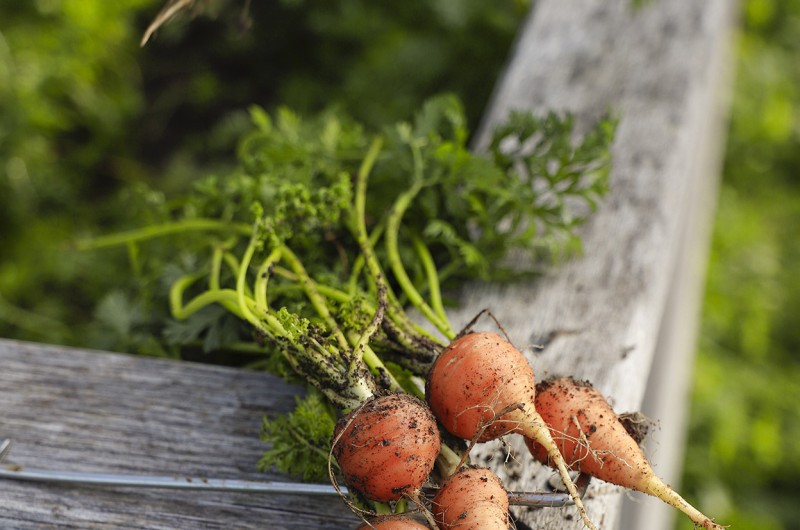
The richest sources of beta-carotene are rhubarb, carrots, spinach, kale, cabbage, and broccoli, as well as fruits like melon, apricots, and mango.
Protective Nutrients Are Also in Wild Foods
Let’s remind you – young leaves of many wild plants are also rich in beta-carotene, such as nettle, clover, alfalfa, plantain, and sorrel, as well as the fruits of rowan and rosehip, and algae. All of these should be consumed with oil, for example olive oil, because the body also needs fat for proper beta-carotene absorption.
Pantothenic Acid (Vitamin B5)
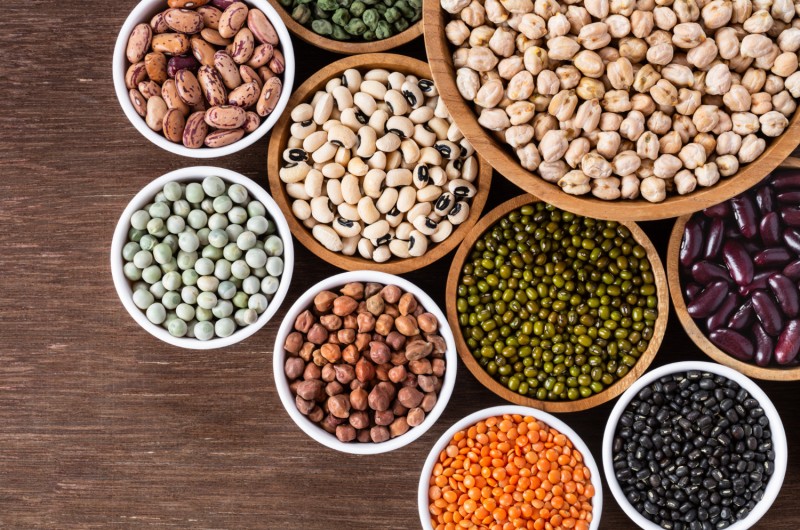
is a water-soluble vitamin important for the metabolism of fats, carbohydrates, various amino acids, and alcohol. It helps regulate sebum production and skin regeneration in mild acne and reduces fatigue and exhaustion. The highest amounts of vitamin B5 are found in legumes, poultry, veal, and potatoes.
Vitamin E
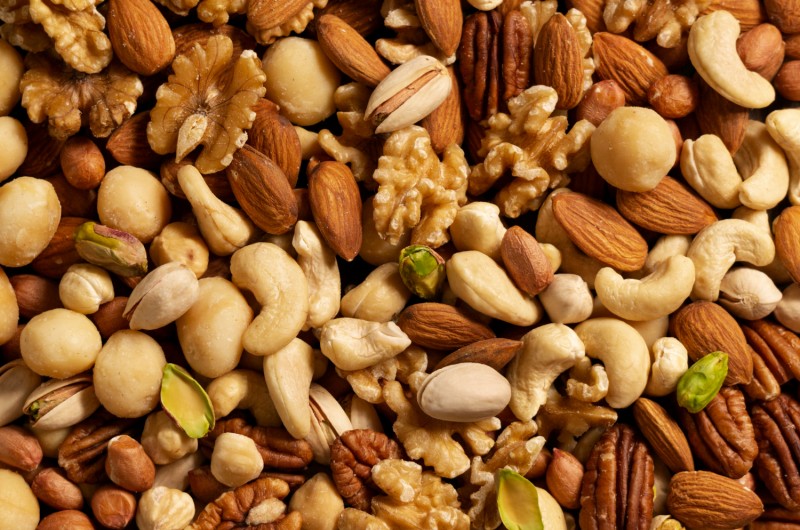
protects cells, including the skin, from oxidative stress and free radicals. We meet our vitamin E needs mainly through foods prepared with vegetable oils – it is abundant in wheat germ oil, corn germ oil, and canola oil – as well as various nuts and, of course, foods fortified with vitamin E.
Vitamin D
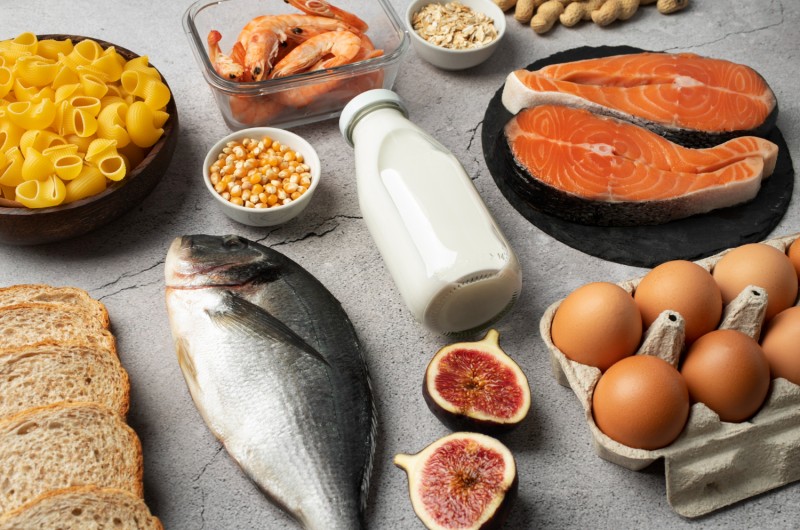
acts like a good anti-aging cream, but it works “from within,” preventing the formation of wrinkles and promoting youthful, radiant skin, while also reducing skin inflammations such as acne and rosacea. Few foods contain it, including fatty fish, eggs, and fortified dairy or fat-based products, but we get more through sun exposure.
Vitamin C
plays an important role in the synthesis of collagen, a valuable antioxidant that helps prevent skin aging, for example from UV radiation. This radiation damages the collagen fibers in the skin.
The richest sources of vitamin C are plant-based foods, such as bell peppers, berries, citrus fruits, and potatoes.
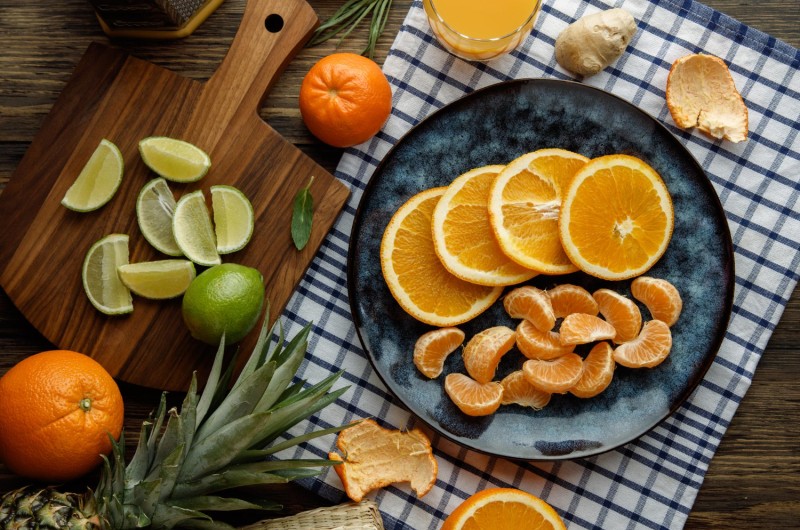
For healthy skin and proper metabolism, it is also important to drink enough fluids. Adequate hydration is beneficial for digestion and toxin elimination. The best choice is water! You can enhance it, for example, with freshly squeezed lemon and fresh herb leaves such as lemon balm and mint.
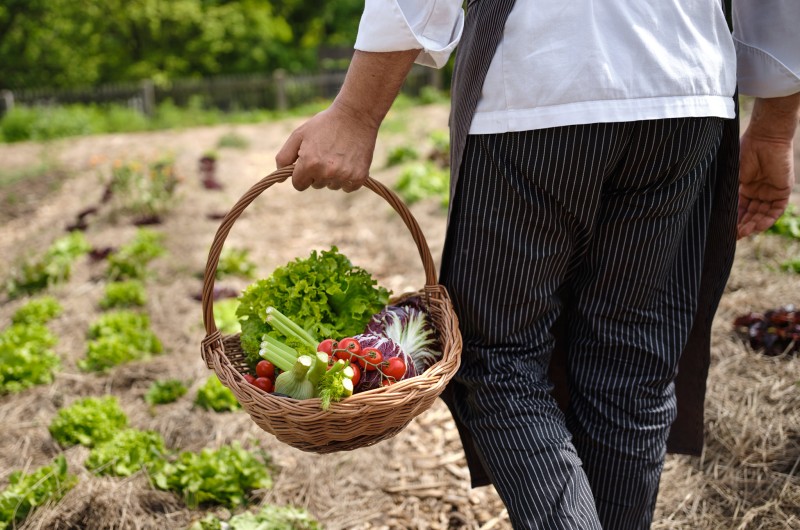
Vegetables create a feeling of fullness, promote digestion, and have anti-inflammatory effects, helping to reduce abdominal fat. They are rich in vitamins and antioxidants, which are also essential for the skin.
The tastiest are fresh, from your own garden.
Photo: Castle Garden in Otočec
What to Eat for a Flat Belly and a Slimmer Waist
Suitable foods include fish, an excellent source of protein and omega-3 fatty acids. Proteins help build muscle, and omega-3 fatty acids improve metabolism and prevent inflammation. This is important because inflammation is one of the factors contributing to weight gain.
Vegetables, such as broccoli, spinach, carrots, radishes, kale, and cabbage, are rich in vitamins, minerals, antioxidants, and dietary fiber, making them effective in reducing abdominal fat. They create a feeling of fullness, promote digestion, and have anti-inflammatory effects.
A rich source of protein, vitamins, minerals, and dietary fiber are also whole-grain foods, such as millet, quinoa, and brown rice. Eating them can prevent hunger pangs and, because they aid digestion, prevent constipation, which also helps reduce abdominal fat.
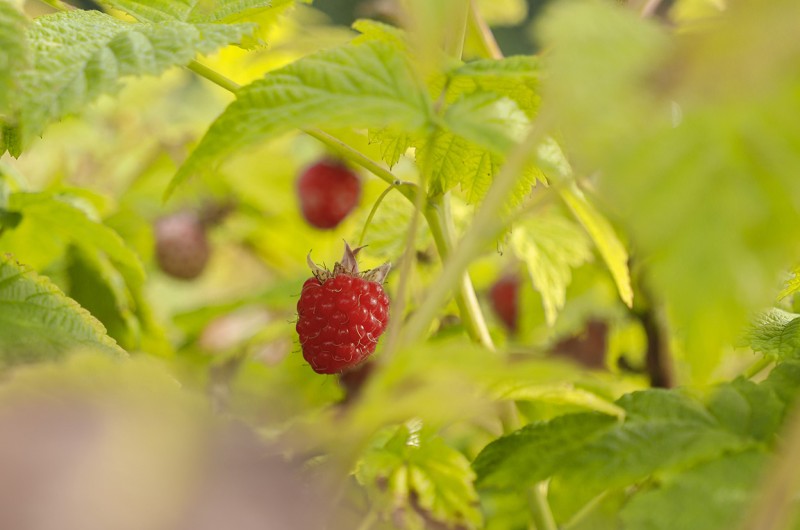
Raspberries are beneficial because they contain dietary fiber and polyphenols.
- Fiber improves peristalsis, which is the contraction and relaxation of the intestines, and consuming raspberries helps maintain a feeling of fullness for longer.
- Polyphenols are antioxidants that neutralize harmful free radicals, reducing inflammation and inflammation-related fat gain.
Consume raspberries for breakfast, with cereals, or in a smoothie.
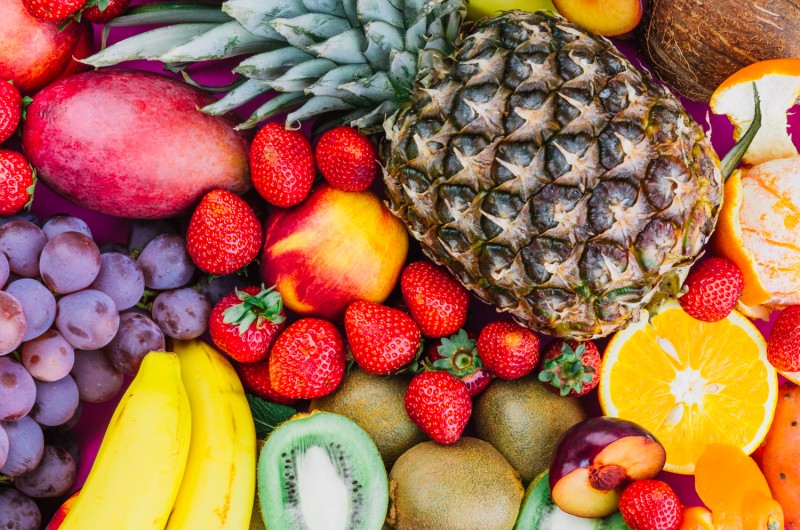
Other fruits are also rich in vitamins, minerals, dietary fiber, and antioxidants and help burn fat, e.g., apples, watermelon, grapes, and berries. In summer, citrus fruits are especially beneficial because they are a rich source of antioxidants and have antimicrobial effects. However, don’t overconsume fruit, as it also contains sugar.
Suitable foods also include protein-rich legumes, as they have low fat and low calories and the lean proteins they contain boost metabolism and help build muscle mass.
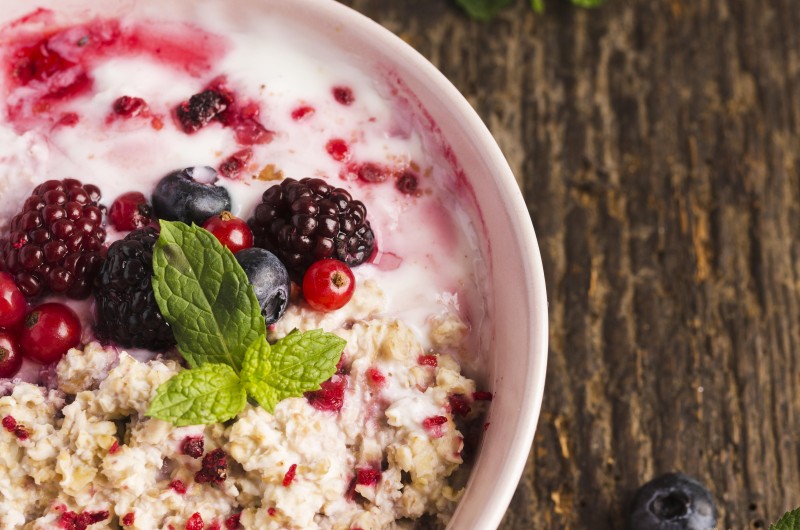
For good digestion, oats are also beneficial, as they are rich in dietary fiber and contain carbohydrates that suppress hunger and provide energy, e.g., for workouts. Oatmeal with a bit of butter and nuts makes an excellent breakfast, but choose plain oats when buying, as flavored oats contain sugar and chemicals.
Instead of unhealthy snacks, we recommend almonds, walnuts, macadamia, pine nuts, and pistachios. These nuts contain healthy fats and protein, which give a feeling of fullness, preventing the need to reach for unhealthy foods. Regular consumption of nuts helps prevent obesity and reduces the risk of type 2 diabetes.
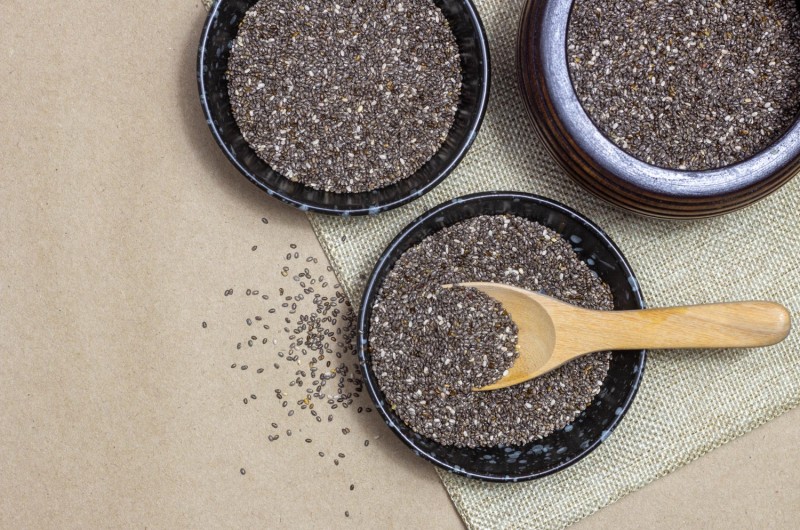
A good source of dietary fiber, protein, and healthy fats is also chia seeds, which, being gluten-free, are also suitable for people with celiac disease. Chia seeds provide a feeling of fullness and have anti-inflammatory, antioxidant, and laxative effects.
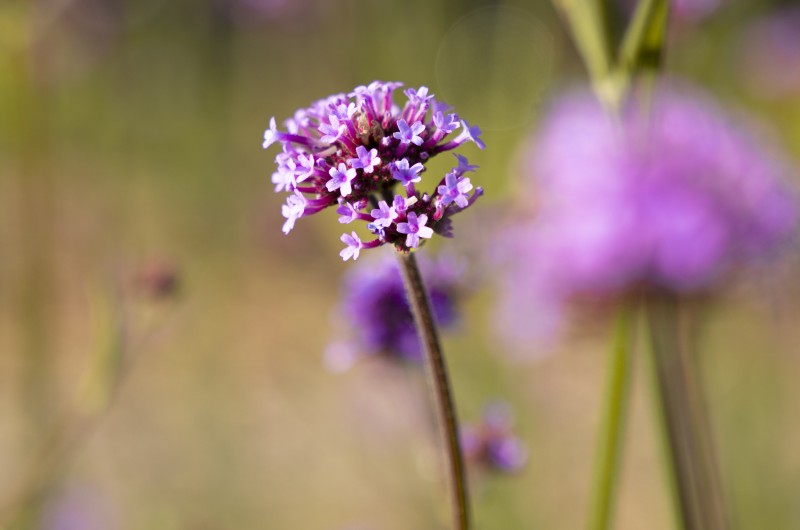
Herbs and flowers that were once considered weeds are valuable
At the Castle Garden in Otočec, we also collect plants that many consider weeds, but in reality, they have important culinary and medicinal value. We use them for decoration and as an addition to dishes and drinks. Examples include borage, peony, lavender, chamomile, pumpkin flowers, roses and nasturtiums, marigold, nettle, mint, lemon balm, field forget-me-not, violet …
It is important to consume them fresh, shortly after harvesting. We pick young leaves and just-opened flowers, removing the calyx as it is bitter. Flowers are usually not cooked, as cooking would destroy some compounds, but they are rinsed with water. They can also be frozen in ice cubes.
Warning: Only consume parts of plants that you are certain are edible. Also, make sure you are not allergic to the plant.
Recipes for Summer Vitamin-Rich Dishes That Don’t Cause Weight Gain
Discover summer dishes that refresh, nourish, and keep your figure – vitamins without extra calories!
Healthy Refreshing Dessert
Raspberry and Quinoa Ice Cream
Serves 4
Ingredients:
- 4 tablespoons quinoa
- 80 g dark chocolate chunks
- 2 cups raspberries (or strawberries, currants …)
- 200 ml plain yogurt (thick)
- a little honey or banana
- edible flowers from the garden – for decoration
Instructions:
In a food processor, blend the fruit with yogurt until smooth. Add a little honey or banana. Freeze. Meanwhile, cook the quinoa in salted water.
Serve the dessert in cups – put a spoonful of cooled quinoa at the bottom, mix in a teaspoon of crushed chocolate, top with ice cream, and decorate with garden flowers.
Protein- and Vitamin-Rich Soup
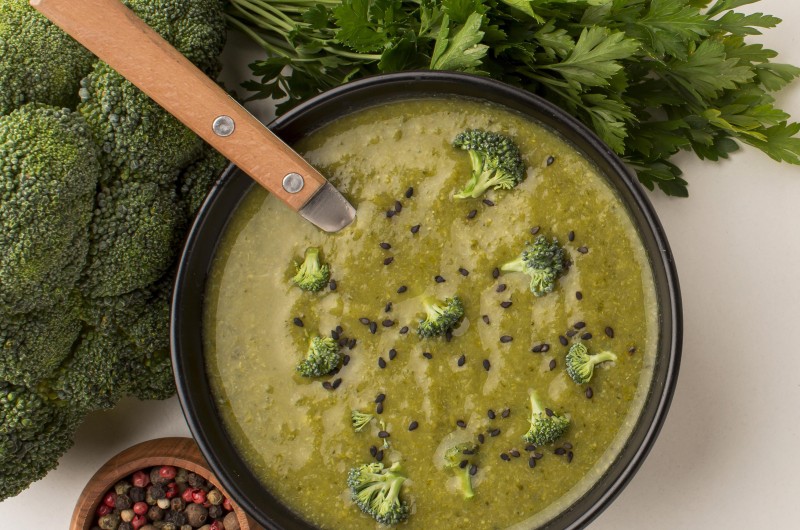
Broccoli and Red Lentil Soup
Serves 4
Ingredients:
- 1 tablespoon olive oil
- 1 onion
- 3 garlic cloves
- 200 g red lentils
- 400 g broccoli
- 1 l water or clear vegetable broth
- 100 ml plain yogurt
- salt, pepper, nutmeg, parsley, chives
Instructions:
Heat the oil in a pot, add chopped onion and garlic, and when fragrant, add washed red lentils and broccoli florets. Season with salt, pepper, and nutmeg, pour in the vegetable broth, and cook for about 20 minutes. Blend the soup with a hand blender, then stir in yogurt, chopped parsley, and chives, and briefly reheat before serving.
Vitamin-Protein Infusion for Vegans
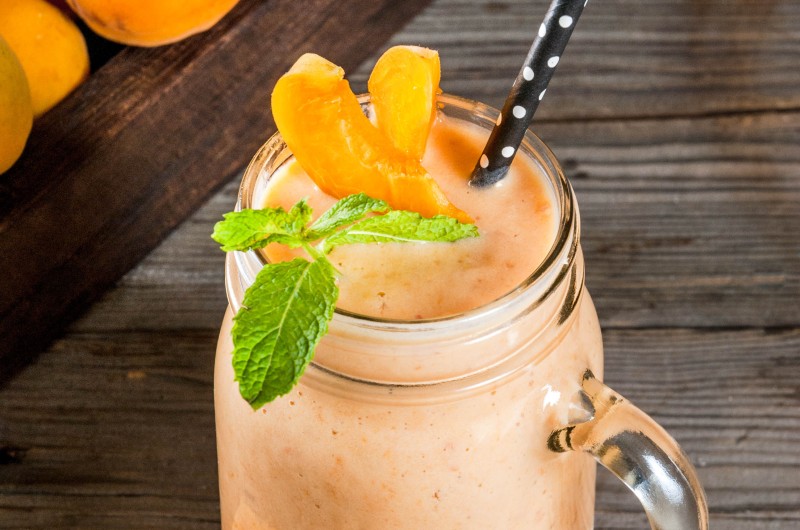
Apricot and Hemp Seed Smoothie
Serves 4
Ingredients:
- 5 apricots
- 1 banana
- 1 tablespoon hulled hemp seeds
- 100 ml almond milk or water
- cinnamon, optionally a teaspoon of honey
Instructions:
Blend all ingredients except the cinnamon, which is used as a final topping, in a blender. You can also add honey or agave syrup and experiment with other flavors. Nutritionally, the smoothie can be enriched with fresh parsley, kale, spinach, carrot …
Interesting Facts About Industrial Hemp in Nutrition
It is rich in fats – 80 percent are unsaturated fatty acids, and the ratio of omega-6 to omega-3 fatty acids is also favorable.
Hemp proteins have a very good amino acid profile, similar to some animal-derived proteins, so its consumption is recommended for people who do not consume enough animal-based foods.
It also contains vitamins E and A, as well as iron, copper, zinc, and magnesium.
Related content
-
Cereals and pseudocereals are an important part of our everyday diet.
Cereals are a valuable source of fiber, vitamins, and minerals.
-

With the right choice of foods, we can stay healthy, slim, and resilient even in winter.
How should we eat to provide our body with everything it needs without gaining extra weight?
-
Nutrition for the Brain
How to strengthen cognitive functions and maintain a healthy mind for as long as possible