Total price:
See what nutritionist Janja Strašek, MSc in Food Technology, recommends.
How can dietary habits be changed to be healthy?

Advice from: Janja Strašek, MSc in Food Technology, Nutrition Consultant at Terme Šmarješke Toplice
"An old saying goes that habits are very hard to change. In my more than 20 years of practice in human nutrition, it has proven especially true for bad dietary habits—they are very difficult or even impossible to change."
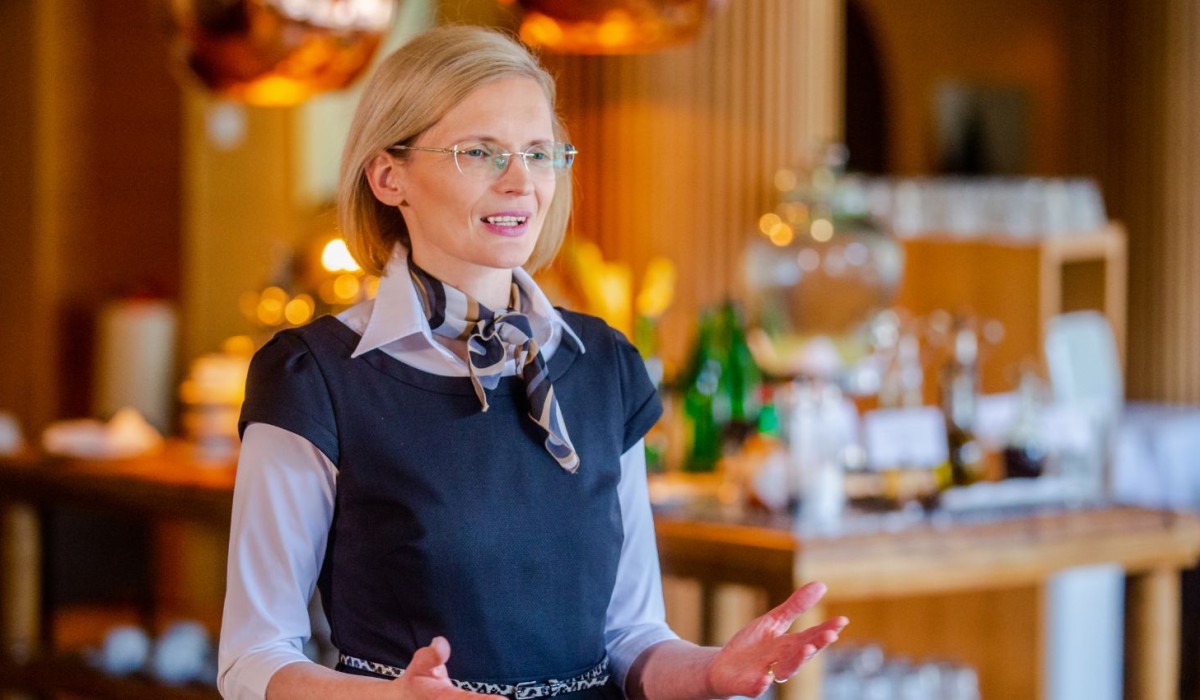
Habit is an iron shirt
People who are (still) healthy but already have recognized risk factors find it hardest to change unhealthy eating habits into healthier ones. Others, who already feel the consequences of poor nutrition, such as diabetics and hypertensives, often do not fully realize the effects of their diet and need a lot of motivation and support to make changes.
From experience, I can tell you that …
- When people have no choice between healthy and less healthy options, but only healthy and protective food is available, we quickly accept it and enjoy plenty of vegetables, white meat or fish, and various grains almost without complaint.
- However, if options like Wiener schnitzel and fried potatoes are available, many will choose the latter.
My advice:
-
Don’t be hard on yourself.
-
Start enjoying the preparation of healthy meals.
-
If possible, do not keep unhealthy food at home.
-
Always eat mindfully and slowly, chewing thoroughly.
-
It’s easier if all family members eat healthily, not just you.

“Janja, how many meals a day do you recommend?” is one of the most frequent questions.
-
A healthy diet recommends eating five times a day – three main meals and two snacks.
-
There should be a break of two to three hours between meals.
-
During this time, avoid snacking and only drink water.
-
It’s important to eat the last larger meal (dinner) at least two hours before bedtime. Late-night eating is discouraged – break this habit as soon as possible!
Eating should be a ritual. Food should be chewed well and mixed with saliva. Digestion starts in the mouth, not the stomach. The feeling of satiety and hunger is controlled by the brain, not the stomach.
What about portion sizes?
- The amount of food we consume daily depends on several factors: nutrient composition of meals, age, sex, physical activity, health status …
- With age, energy needs decrease, so we no longer require high-energy foods, but increasingly foods with high nutritional and biological value.
- If we are regularly physically active, we need more energy. This is again a natural “balance” in the body.
- The energy we take in must be burned through basal metabolism (resting energy expenditure), physical activity, and mental work.
- Different health conditions (metabolic disorders, immobility, cancer) may decrease or increase energy and nutrient needs. Such individuals should always consult a dietitian for proper balanced nutrition.
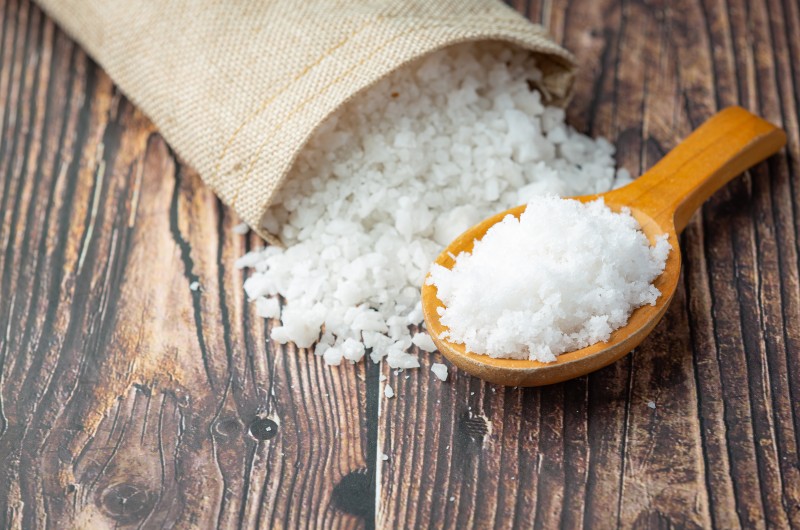
What about salt?
- We still consume too much salt.
- Most often, we take it in through various salty snacks, cheeses, meat products, breads, and even savory pastries.
- It is important not to add industrial seasoning mixes enriched with monosodium glutamate when cooking.
Instead, enhance the flavor of meals with natural herbs and spices.
To everyone embarking on a new path to a healthier life, I recommend starting with small steps. And to stick with every positive change they notice and genuinely celebrate.
Eat healthy. Live healthy.
Related content
-
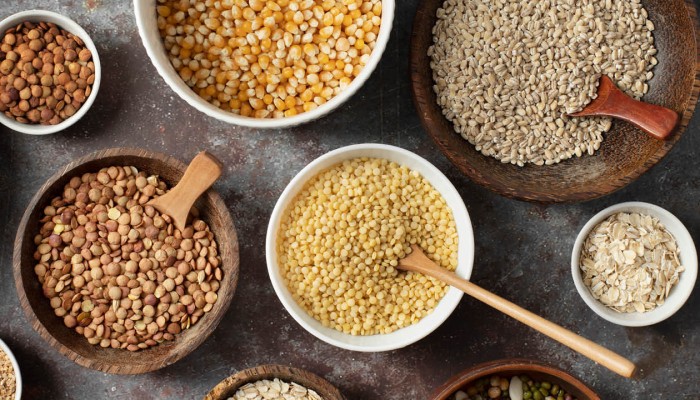
Cereals and pseudocereals are an important part of our everyday diet.
Cereals are a valuable source of fiber, vitamins, and minerals.
-

-