


Total price:
Terme Šmarješke Toplice
During medical rehabilitation, what’s on your plate matters
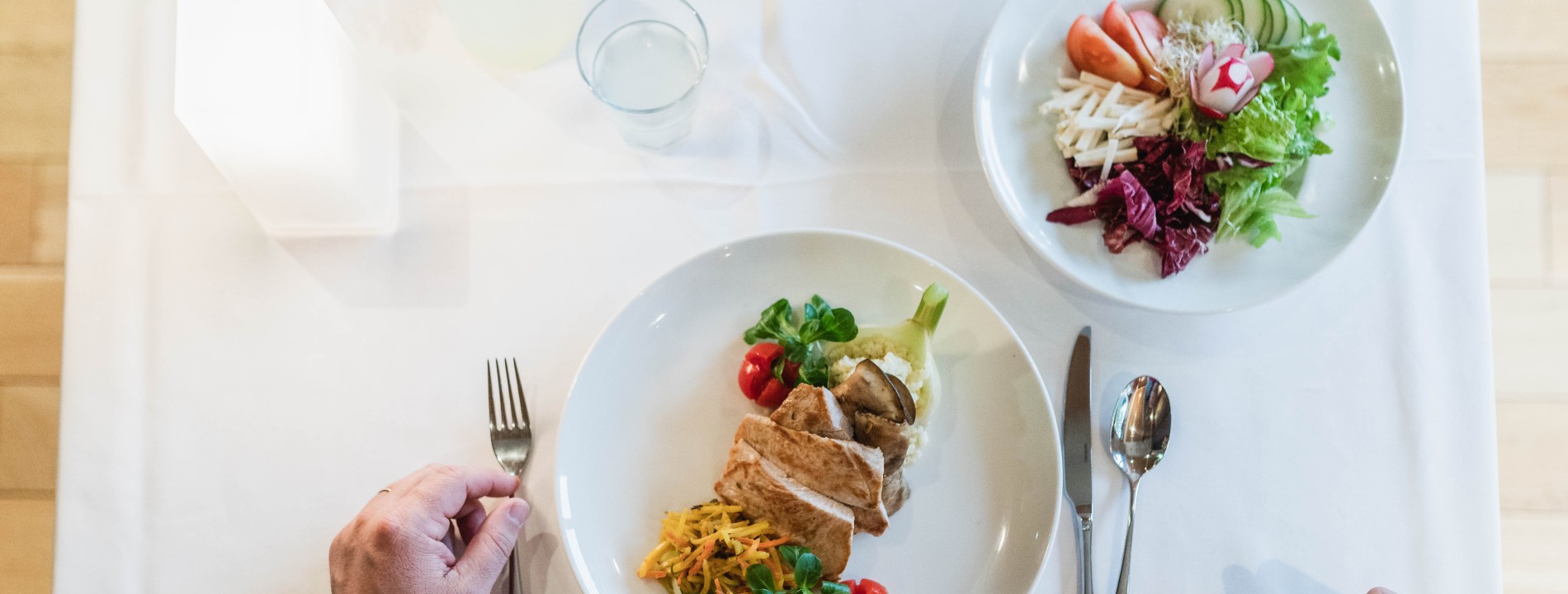
When we talk about rehabilitation, we usually first think of physiotherapy, therapeutic exercises, movement and the healing effects of thermal water. But recovery does not depend only on how much and how we move. It also depends on how well we provide the body with the nutrients it needs to rebuild and recover. At Terme Šmarješke Toplice, we therefore consider nutrition an equally important part of the rehabilitation process. Properly selected meals help preserve muscle mass, support tissue healing and provide the body with the energy it needs for effective recovery.
Janja Strašek, nutritional counsellor
Less movement does not mean lower nutritional needs
Many people mistakenly believe that because they are less physically active during rehabilitation, they should also eat less. In fact, the opposite is true. After surgery, an injury or a cardiovascular event, the body uses even more energy for healing and regeneration and, above all, needs all the key nutrients.
If energy and nutrient intake are insufficient, the body starts drawing on its own reserves. This often means not only a reduction in body fat, but also a loss of muscle mass, which can reduce physical strength, slow down rehabilitation and prolong recovery.
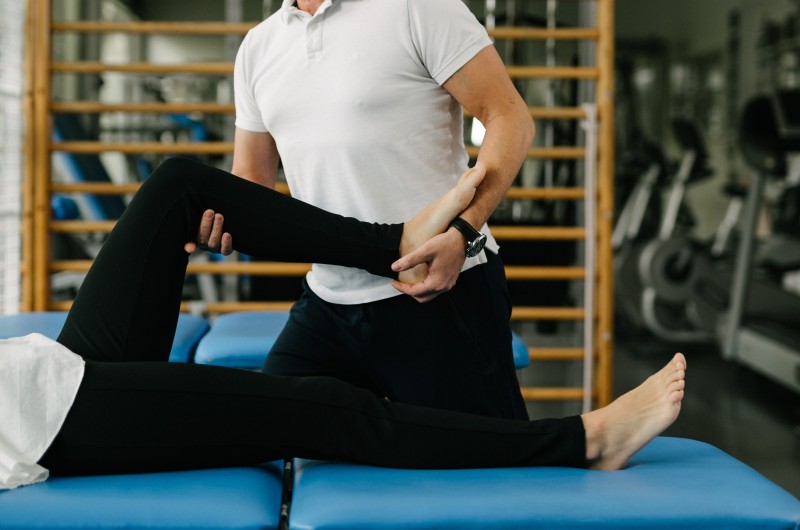
Consequences of improper and inadequate nutrition during rehabilitation:
-
loss of strength and reduced stability – less muscle mass means weaker support for the joints, poorer balance and therefore a greater risk of injury;
-
increased susceptibility to infections – a lack of energy weakens the immune system, increasing the risk of infection;
-
longer recovery – insufficient intake of the right nutrients can slow the healing of surgical wounds, tendons and bones.
The goal of nutrition during rehabilitation is therefore not weight loss, but supporting regeneration and maintaining physical capacity.

Protein is a building block of recovery
Protein plays a particularly important role in rehabilitation, as it is a basic building material for muscles, ligaments, bones and other tissues.
An adequate protein intake is therefore important in all forms of rehabilitation, especially after orthopaedic surgery, injuries and longer periods of reduced mobility. Sufficient protein intake helps prevent the loss of muscle mass and contributes to faster recovery of the body.
High-quality sources of protein include fish, lean meat, eggs, dairy products, legumes, tofu and other plant-based protein sources.

Antioxidants also play an important role
Recovery does not depend on protein alone. Foods rich in vitamins, minerals and antioxidants also play an important role because they help reduce oxidative stress and support the body’s natural recovery processes. Antioxidants, found mainly in berries, dark leafy vegetables, citrus fruits, spices such as turmeric and ginger, and nuts, neutralise free radicals and help reduce systemic and local inflammation associated with injuries or surgical procedures.
That is why menus for rehabilitation guests in Šmarješke Toplice include plenty of seasonal vegetables and fruit, whole grains, high-quality fats and other nutrient-rich foods.
Nutrition tailored to the individual
Patients come to medical rehabilitation with different needs. Cardiac patients require particular attention to salt intake and nutrients that naturally help protect the heart and blood vessels. The aim of their diet is to reduce inflammation of the vascular walls, control blood pressure and optimise the function of the heart muscle. For orthopaedic patients, the focus is more strongly on the healing of surgical wounds, the recovery of muscles and bones, collagen formation and the prevention of muscle atrophy.
To tailor nutritional support as closely as possible to each individual patient, at Terme Šmarješke Toplice we analyse body composition, or the structure of body tissues, when calculating individual needs, using the bioelectrical impedance method (TANITA).
With this measurement, we accurately determine:
-
basal metabolic rate (BMR) – which shows how many calories the body uses at rest,
-
the proportion and distribution of muscle mass – which provides a basis for monitoring whether muscle mass is being maintained or even increased during rehabilitation,
-
the proportion of body fat, and
-
cell hydration (extracellular water content) – which is especially important in cardiac patients for detecting fluid retention.
Based on the results, we create an individual nutrition plan that provides the patient with enough energy and the right amount of all essential nutrients, without causing unnecessary fat accumulation or placing excessive strain on the organs.
How to feel better as soon as possible
Successful medical rehabilitation is always the result of several factors working together – professionally guided exercise, thermal programmes, medical care and appropriate nutrition form a whole that helps the patient regain strength as quickly as possible, rebuild confidence and improve quality of life.
At Terme Šmarješke Toplice, we understand that recovery does not take place only in the therapy room or swimming pool, but also in the restaurant, with every carefully prepared meal.
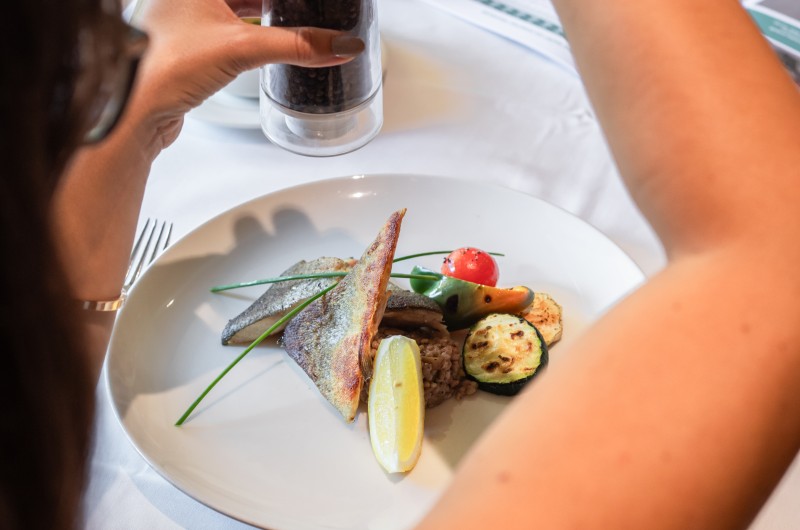
The path to better well-being starts with nutrition
Every person is different, which is why universal nutrition recommendations are not always enough. At the Vitarium Spa & Clinique centre in Šmarješke Toplice, you can also book an individual nutrition consultation and work with a nutritional counsellor to develop dietary guidelines tailored to your needs. If you are staying at the hotel on a full-board basis, we can also prepare an individual dietary menu for you.
Price of a 30-minute nutrition consultation: EUR 40
Supplement for an individual dietary menu at the hotel (based on full board): EUR 30/day
Reservations and information:
Related content
-

Janja Strašek, nutrition consultant
Superfoods for seniors or the best diet for longevity and vitality
-

With the right choice of foods, we can stay healthy, slim, and resilient even in winter.
How should we eat to provide our body with everything it needs without gaining extra weight?
-

Longevity is not only about living a long life, but about living one that is high in quality, independence, and fulfilment.
How to live so that we can enjoy an active and independent old age?