


Total price:
Longevity
Movement invigorates – especially after 50
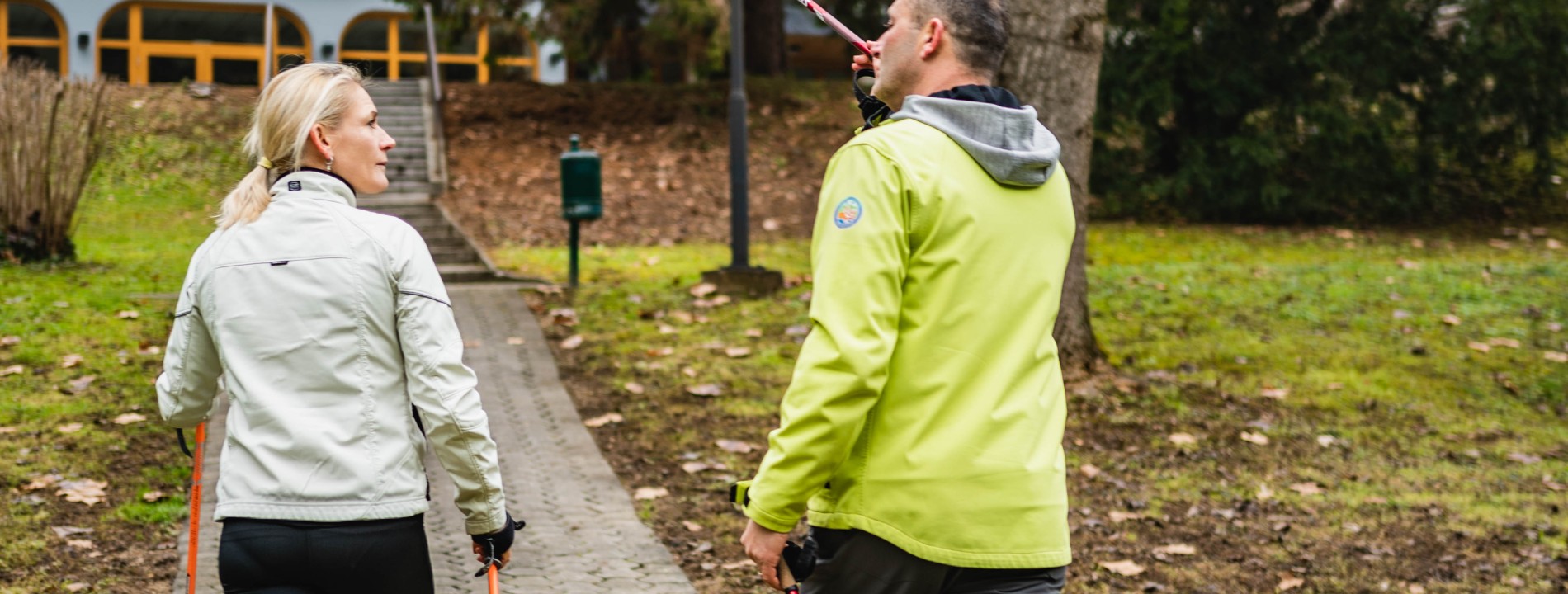
Regular physical activity is especially important after the age of 50, as it helps maintain physical agility and ability, strength and endurance. In turn, this contributes to better well-being and greater independence in everyday activities. In recent years, a number of studies have focused on longevity and the role that regular physical activity plays in it.
Anita Možgan, Physical Education Teacher, Pilates and Yoga Instructor, Personal Trainer
How to explain longevity
Longevity describes a long and high-quality life in which the inevitable decline in physical and cognitive abilities is postponed by several years, or even several decades. No one can completely avoid the ageing of the body, but we can have a decisive influence on how well we live in later years – whether we can continue to take care of ourselves, manage at least moderate physical effort, easily go on excursions, enjoy the activities we loved when we were younger, and spend our days and nights with as little pain as possible.
Longevity is not something that happens on its own. It cannot be bought, begged for or given to us by someone else. LONGEVITY IS THE RESULT OF HOW WE TREAT OURSELVES. SO MAKE IT ONE OF YOUR IMPORTANT GOALS.
At least once a week. Could you manage that?
In October 2024, the journal European Geriatric Medicine published a study in which researchers followed older adults to examine how physical frailty progressed and how often they were physically active. Those who engaged in moderate physical activity at least once a week were less frail and less dependent. This means that even one exercise session a week can have long-term positive effects – helping to prevent physical decline and supporting the preservation of vitality and health in older age. More physical activity brings even better results.
These observations are also supported by other studies on the positive effects of exercise on the body. As I have been leading exercise sessions and providing individual advice to our guests at the Vitarium centre for more than 20 years, I can say with confidence that an active lifestyle contributes to and supports longevity. I am always pleased to see older people who outperform those 30 or more years younger in physical abilities such as endurance, fast walking, balance, strength and mobility. Through their example, they are ideal role models and can inspire you to make a change if you want to improve your health and well-being.
And what happens if you are not active?
People who stop regular physical activity for more than six months often notice significant changes, such as a loss of muscle mass, which we can confirm using measurements on a bioimpedance scale, poorer balance, reduced mobility, becoming out of breath more quickly, an increased percentage of body fat, often higher blood pressure, the onset of type 2 diabetes and, above all, poorer overall well-being and sleep problems. Many people also become more downhearted or depressed.
It is never too late
At this point, I would like to encourage everyone who is not yet active, as well as those who are unsure whether they are active enough – it is never too late to start, because the body responds quickly and positively to every form of physical activity. Set yourself a goal: “At 90, I will still be dancing, going on holiday and enjoying swimming. I will be able to cycle from home to …!”
To make your goal achievable, support it with care for your own health and well-being.
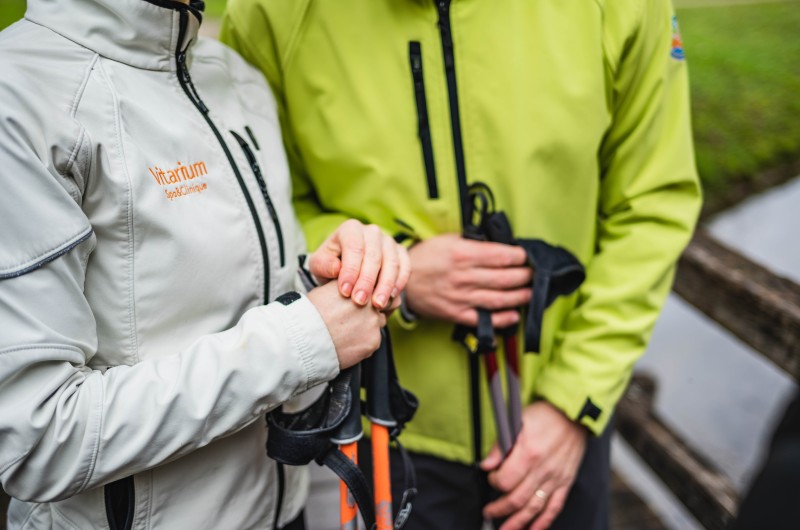
Listen to yourself
How we feel tells us a great deal, including how we treat ourselves. Each of us needs to find our own recipe for maintaining health and well-being. With years of experience, we realise how valuable it is to know ourselves well. To know exactly what we need, what harms us, what benefits us, what makes us happy and what makes us angry or sad. Emotions also play an extremely important role in maintaining health and balance.
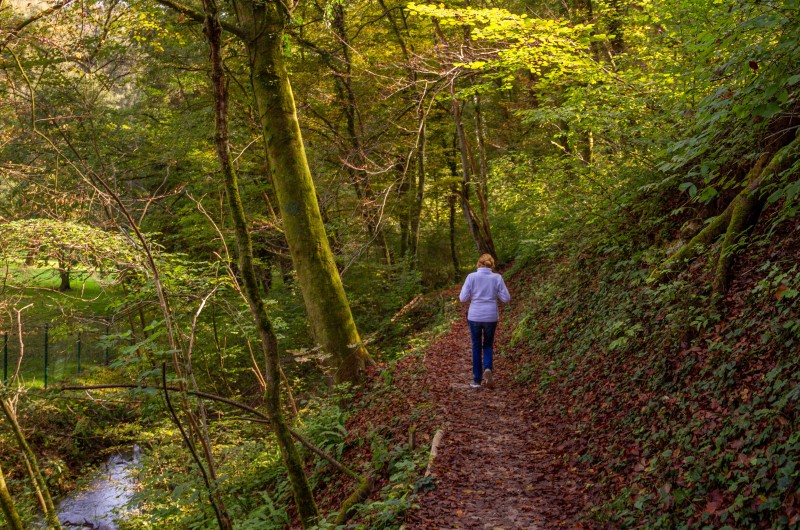
Combine different types of exercise!
In my work, I always combine strength training, cardio exercise, balance exercises, and mobility and relaxation exercises, including when working with older adults. Many people wonder what would benefit them most and which type of exercise they should choose. This requires highly individualised advice based on an assessment of their health, previous injuries, current physical condition and any possible deformities, imbalances in the body or significant deficiencies. By observing a person during exercise, I can usually identify quite quickly what may be causing their difficulties and what they need most.
It may sound unbelievable to some, but everyone who takes part in our programmes and is physically active for two to three hours a day notices changes after just a few days: better overall well-being, reduced pain, greater ease in maintaining the pace of Nordic walking, improved mobility and agility, better balance and lower blood pressure. All of this is influenced by combining different forms of exercise with mindfulness training. The right combination of relaxation, time for yourself and a mindful approach brings inner peace and satisfaction.
Without overdoing it
If the effort is too intense or the body is under stress, older people will not respond positively to exercise. Exercise should always be performed with consideration for your own abilities, needs and wishes. Sometimes, knowing what would theoretically be best for the body is not enough – adaptation and patience are also needed so that the desired results can be achieved gradually.
Anita’s tips for an active life
- If you have health problems, first consult your doctor about possible contraindications and recommendations. Avoid activities that could worsen your health condition. Particular caution is needed after injuries, in the case of cardiovascular disease and with all acute and chronic health problems.
- Plan your exercise so that you maintain or increase your muscle strength. With a little creativity, you can also include necessary strength exercises during cardio training, which will help you with essential daily activities.
- Include a 10–15 minute morning warm-up and stretching exercises in your daily routine. This can help reduce pain and make it easier to get going for the day ahead, as stretching improves circulation.
- If you do not have any major health problems, aim to walk at least 5,000 steps a day. Every step counts! At work or at home, get up several times during the day, take a short walk, use the stairs and walk to places you might otherwise drive to.
- Do balance exercises several times a day. Stand alternately on one leg and then the other, lift your knees high while walking and walk very slowly, take longer steps and steps in different directions, walk on your toes or with your arms raised high above your head.
- Make sure you get enough sleep and rest. Be present in the moment, become aware of your breathing as often as possible, calm it down, breathe using your diaphragm and as much as possible through your nose.
- Laugh a lot
Maintaining strength …
… is the most important thing. By maintaining your muscles and bone mass, you also help preserve your independence and reduce the risk of falls and injuries.
Strength training and exercises that strengthen the body are essential after the age of 50 – research consistently supports this. Maintaining strength also makes it easier to maintain a healthy body weight, because your basal metabolic rate remains higher than it would if muscle mass and skeletal muscle strength gradually declined as part of the ageing process.
I would place cardio training second, as it helps maintain heart health, reduces the risk of disease and improves metabolism. All of this can contribute to longevity. Just as maintaining strength and endurance is important, so is maintaining mobility in all joints, as this can reduce joint pain and allow safe movement and exercise.
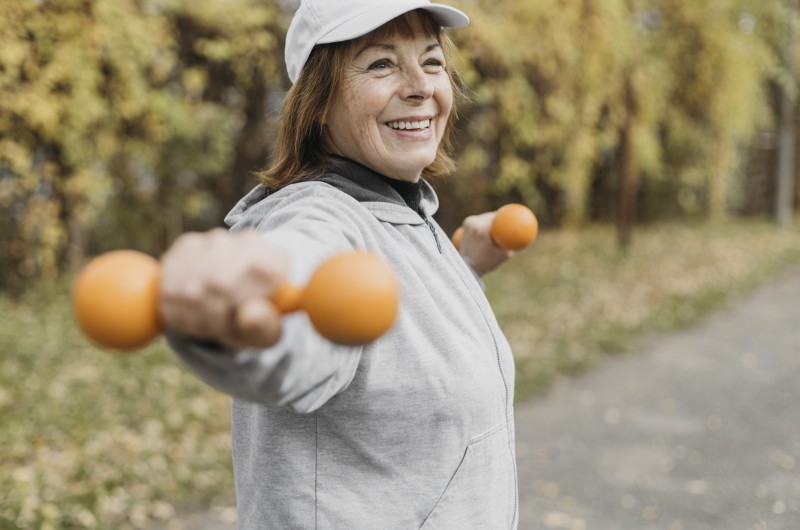
Slowly and consistently
If you have not been active for a long time, start gradually and carefully, paying attention to how your body feels. In this case, I would recommend asking a personal trainer for help. With professional advice and an individually designed plan, they can help you learn how to perform exercises correctly.
For exercise to be effective, persistence, regularity and the correct progression are also important. Every form of physical activity can have positive effects if it is individually adapted, so do not start exercising on your own with loads that are too heavy or at an intensity that is too high. What you may have been able to do twenty or even ten years ago may no longer necessarily be beneficial for you now if you are aged 50 or over.
Perform every movement carefully and with common sense to avoid injury. All materials age, and our body also ages and weakens. However, by taking proper care of it, we can help delay this process and reduce the likelihood of associated illnesses, injuries and pain. So that the autumn of your life can remain colourful, enjoyable and full of energy.
Tips for everyone over 50
- 2 to 3 times a week – strength training, for at least 30 minutes.
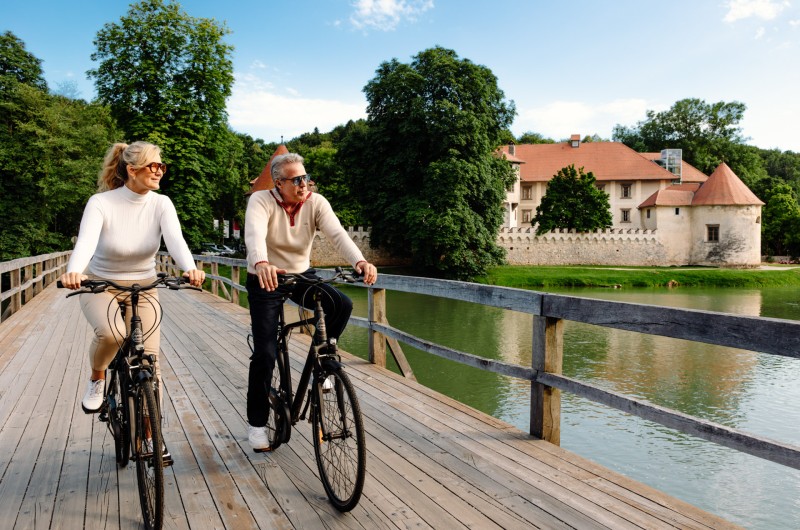
- At least 5 times a week – walking or cardio exercise, for 30 minutes.
- Every day – 10 minutes of stretching. Mobilise your spine and warm up your joints first thing in the morning.
- 5 times a week – balance exercises. You can also do them while carrying out household chores.
An excellent exercise for maintaining vitality and strength
SQUATS USING A CHAIR FOR SUPPORT / STANDING UP FROM A CHAIR
PURPOSE: strengthening the muscles of the legs and buttocks; this exercise is important for standing up from a seated position, making it easier to walk up stairs and learning the correct movement pattern. It can also help reduce the risk of falls. You can add weights and, when standing up, rise onto your toes.
DESCRIPTION:
- Stand behind a chair with a backrest, with your feet hip-width apart. Your hands can rest on the back of the chair, remain by your sides or in front of your body, or you can hold weights.
- As you inhale, bend your knees and lower yourself into a squat, making sure to push your knees outwards and keep your back straight.
- As you exhale, return to the starting position and stand up.
NUMBER OF REPETITIONS: 3 sets of 15–20 repetitions
REST: 30 seconds
So ...
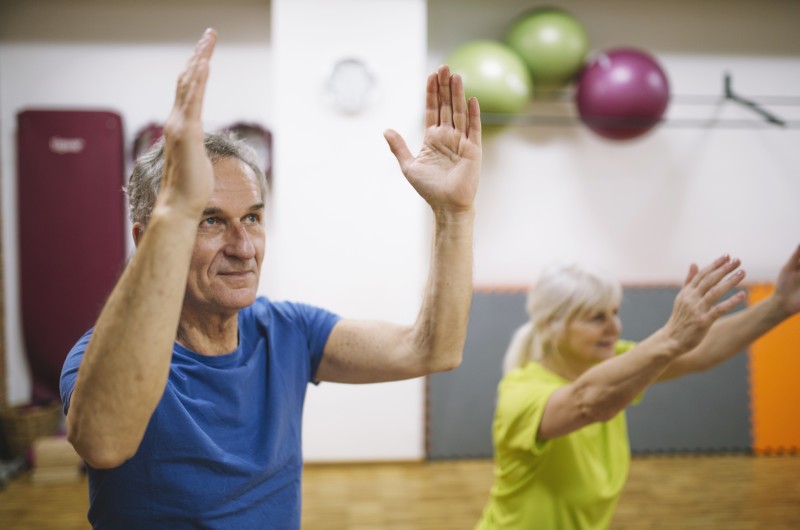
For everyone who is still hesitating – the right time to start moving is now. If you cannot find the motivation on your own or do not know how to begin, join an organised exercise programme in your local area or come and visit us at Vitarium. We will help you develop habits that can improve the quality of your life in the years ahead. Together, we will find an approach and a path that makes you happy – a lifestyle that recharges your batteries, brings more laughter, supports your well-being and vitality, and seems to make time move a little more slowly.
Discover Vitarium programmes for a healthier lifestyle.